
What Is the Treatment for Varicose Veins?
What Is The Treatment For Varicose Veins?
Varicose veins are large, dilated blood vessels that bulge out of the skin’s surface and look like masses of twisted and tangled ropes. They’re essentially dilated blood vessels with excessive blood, a consequence of an underlying circulatory disorder called chronic venous insufficiency. When your vein valves collapse, blood flows backward and accumulates in your leg veins, eventually leading to spider veins, varicose veins, and other vein problems.
When looking for a vein treatment center in New Jersey, you must focus on those that diagnose and treat the root cause of varicose veins. Many vein doctors treat varicose veins without addressing the root cause, which leads to a high risk of recurrence. However, our vein treatment centers in New Jersey always diagnose and treat vein disease before removing the superficial varicose veins. This ensures optimal results with a negligible risk of recurrence.
Furthermore, you should only look for minimally invasive vein treatments in New Jersey. Varicose vein surgeries, such as vein ligation, vein stripping, and venous bypass surgery, increase the risk of complications and downtime. Comparatively, minimally invasive varicose vein treatments are safe, effective, and they conclude within an hour with no downtime. Below, we provide an overview of the best treatments for varicose veins.
#1. Radiofrequency Ablation
Radiofrequency ablation is a minimally invasive procedure wherein thermal energy is used to destroy or collapse the diseased saphenous vein. The vein doctor makes a small incision on the skin’s surface to insert a catheter into the diseased vein under ultrasound guidance. When activated, the catheter generates radiofrequency energy to destroy the diseased vein. The accumulated blood reroutes into healthier leg veins and restores optimal blood circulation.
#2. Endovenous Laser Ablation
Endovenous laser ablation is a minimally invasive procedure wherein laser energy is used to treat chronic venous insufficiency. The vein doctor makes a small incision on the skin’s surface to insert a catheter with a laser fiber into the diseased saphenous vein. When activated, the device generates laser energy and destroys the diseased vein, rerouting the accumulated blood into healthier leg veins. This restores optimal blood circulation to the heart.
#3. ClariVein (Mechanochemical Ablation)
ClariVein, also known as mechanochemical ablation, is a minimally invasive procedure wherein mechanical pressure and sclerosant medicine are used to treat chronic venous insufficiency. The vein doctor makes a small incision on the skin’s surface to insert a specialized catheter with a rotating tip into the diseased vein. When activated, the catheter destroys the diseased vein’s walls while injecting a sclerosant medicine to fuse it shut. This treatment is particularly useful for large, twisted, and tortuous varicose veins.
#4. Ambulatory Phlebectomy
Ambulatory phlebectomy is a minimally invasive procedure wherein your superficial varicose veins are removed. The vein doctor makes several small incisions on the skin’s surface to remove the visible varicose veins. The incision marks eventually heal and fade away. This treatment removes varicose veins, but it doesn’t treat underlying chronic venous insufficiency. As such, you should get this treatment after the primary vein treatment.
#5. Foam Sclerotherapy
Foam sclerotherapy is a minimally invasive procedure wherein a foamy version of sclerosant medicine is injected into varicose veins. The vein doctor agitates the sclerosant medicine with air, turning it into a foamy mix. The foam sclerosant is injected into all the varicose veins on your legs. The sclerosant medicine fuses the varicose veins’ walls, turning them into hardened scar tissues that eventually get absorbed by the body. This is a cosmetic treatment, so it should be performed after the primary vein treatment.
Is Walking Good for Varicose Veins?
Walking is good for varicose veins because it encourages blood flow towards the heart and prevents the accumulation of blood in your leg veins. However, walking only alleviates the symptoms of varicose veins for a short period — it doesn’t treat varicose veins. The only way to treat varicose veins is to undergo minimally invasive varicose vein treatments at a reliable vein treatment center in NJ.
What is the Root Cause of Varicose Veins?
Chronic venous insufficiency is the root cause of varicose veins. Healthy veins consist of vein valves — these are components that ensure one-way blood circulation to the heart by preventing blood from flowing backward due to gravity. When your vein valves collapse, blood flows backward due to gravity and accumulates in your leg veins. The continued accumulation of blood in leg veins leads to vascular dilation and the eventual formation of varicose veins.
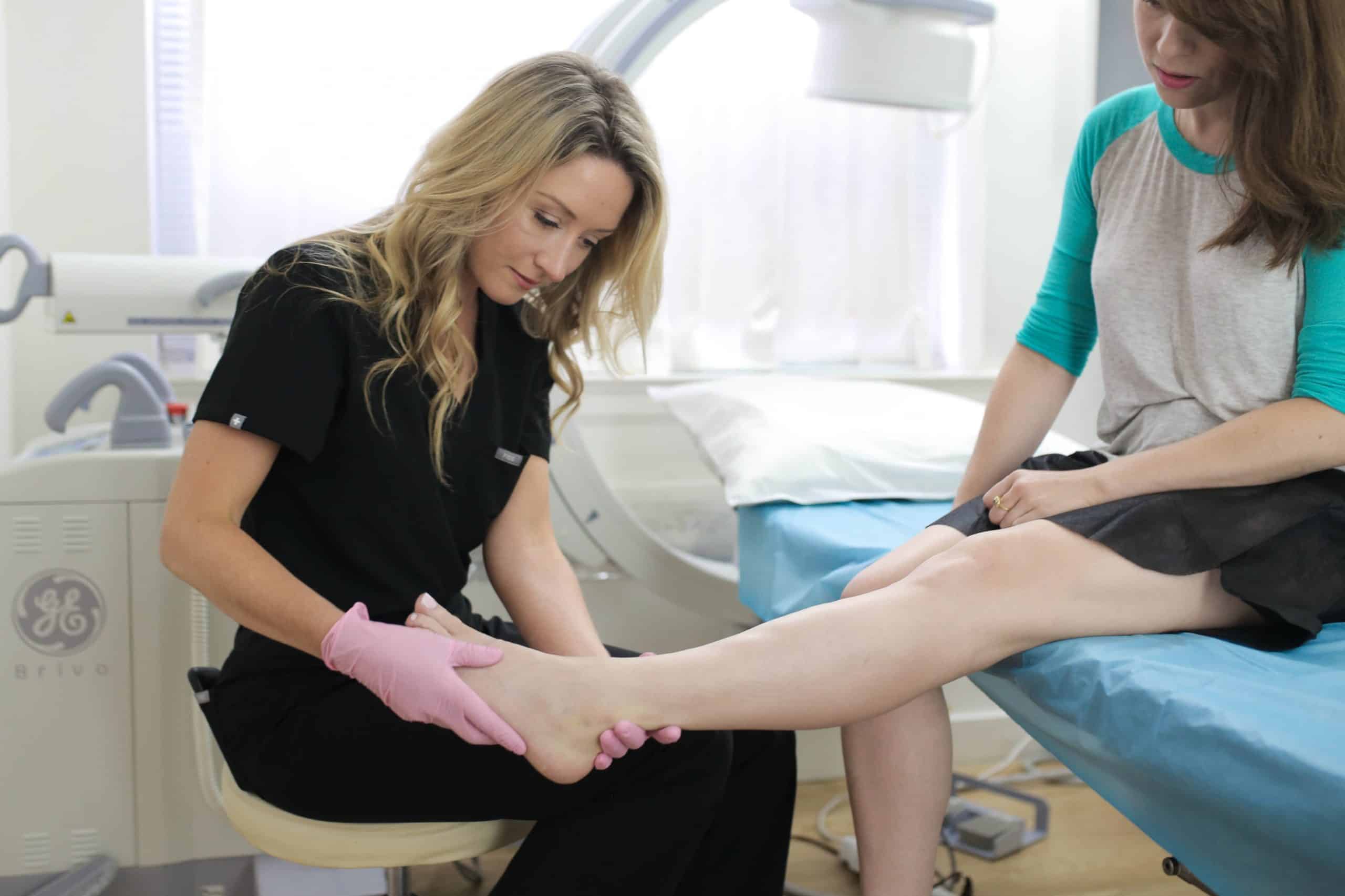
BOOK AN APPOINTMENT
Do you have any symptoms? Consult now with one of the Best Vein Specialist in New Jersey
How can I Stop Varicose Veins Getting Worse?
- Wear compression stockings to push the accumulated blood towards your heart.
- Run, swim, cycle, and do other cardiovascular activities and engage your calf muscles.
- Elevate your legs above the level of your heart while sitting to prevent blood accumulation.
- If you have a desk job, take short walking breaks every 30 minutes to facilitate circulation.
- Most importantly, consult reliable vein doctors and vein treatment centers in New Jersey. The only way to treat varicose veins and prevent them from worsening is through minimally invasive vein treatments.

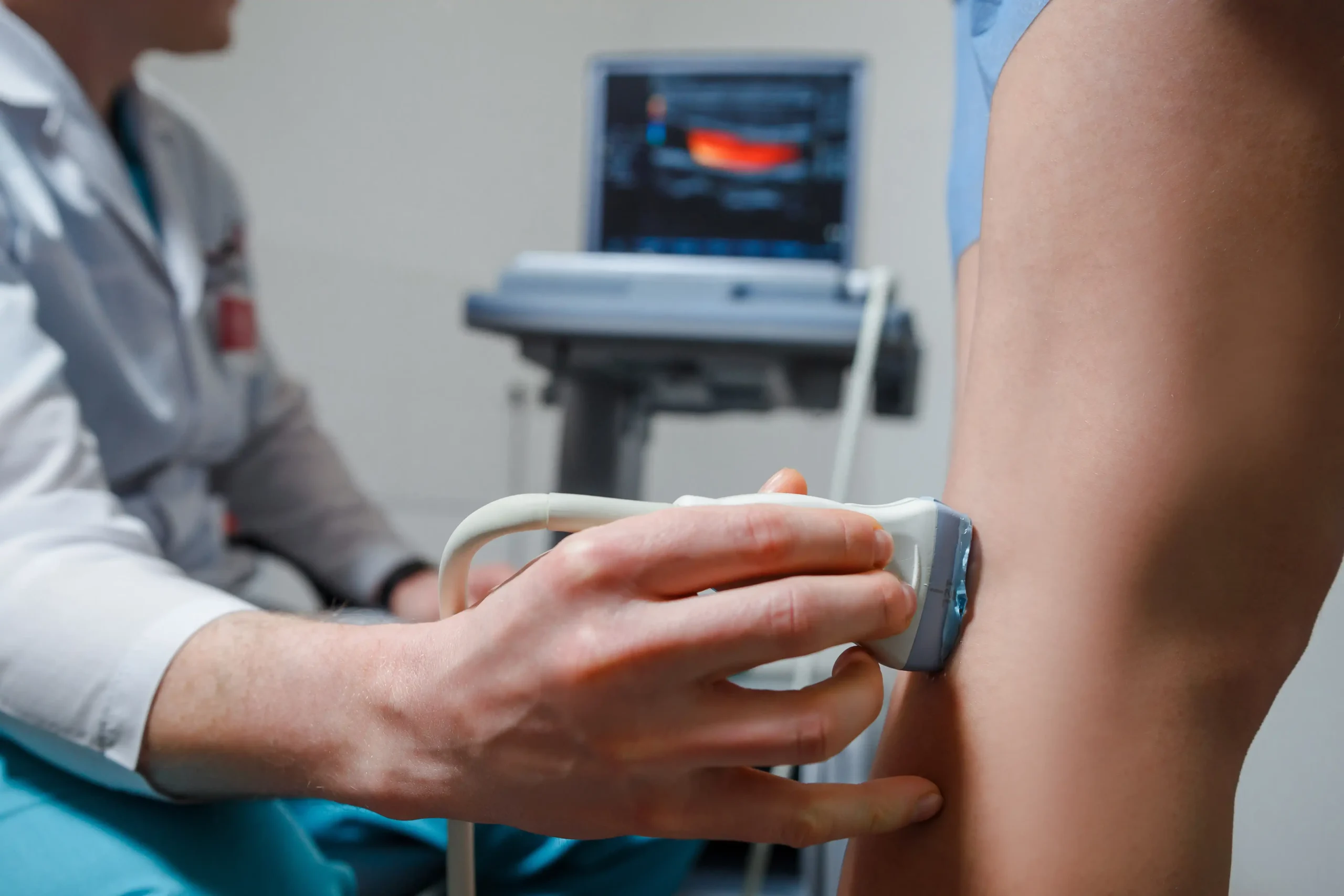

NJ Vein Doctors
Meet our team of New Jersey Vein Treatment Specialists
Vein Treatments are covered by most major medical insurances, including Medicare. Call us today to verify your insurance for FREE >
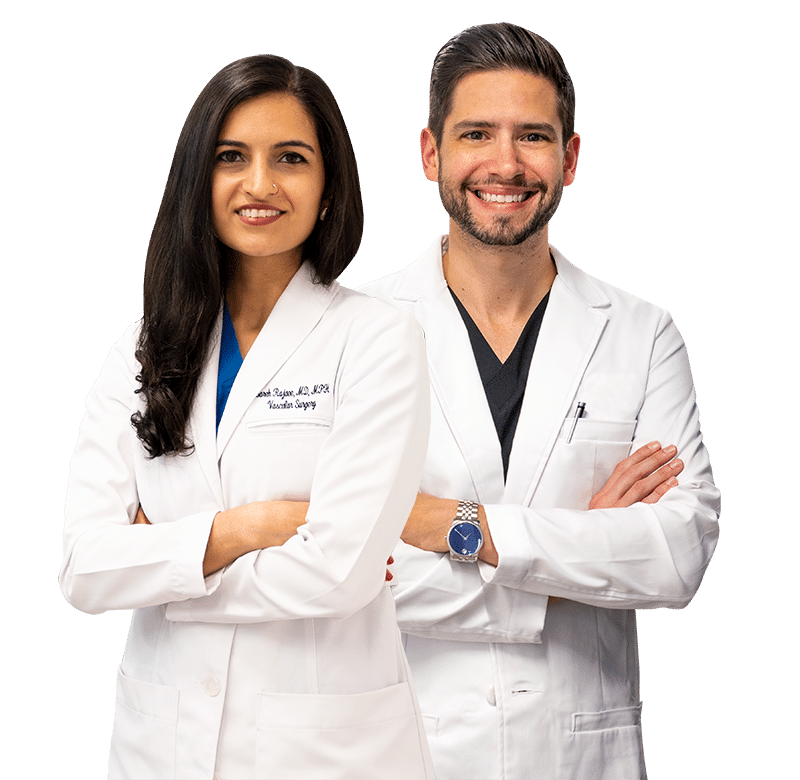
Meet our Team of Top Vein Specialists in New Jersey


Contact us

CALL US
Speak instantly with one of our team members; they will answer any questions you may have regarding insurance coverage, booking an appointment and our vein treatment locations. (973) 946-8082

BOOK APPOINTMENT
Visit our Book Appointment page and instantly request an appointment at the New Jersey vein center. We offer Free Insurance Verification before your appointment.
